AI Workflow Continuity: The Skill Teams Need for Multi-Step Work

Maverick Foo
Saturday, 24th January 2026
Most companies still talk about AI adoption as if it simply means using one tool.

But the real shift in 2026 is bigger.

AI is moving from single prompts to multi-step AI workflows. Not just answering questions, but completing chunks of work across a process.

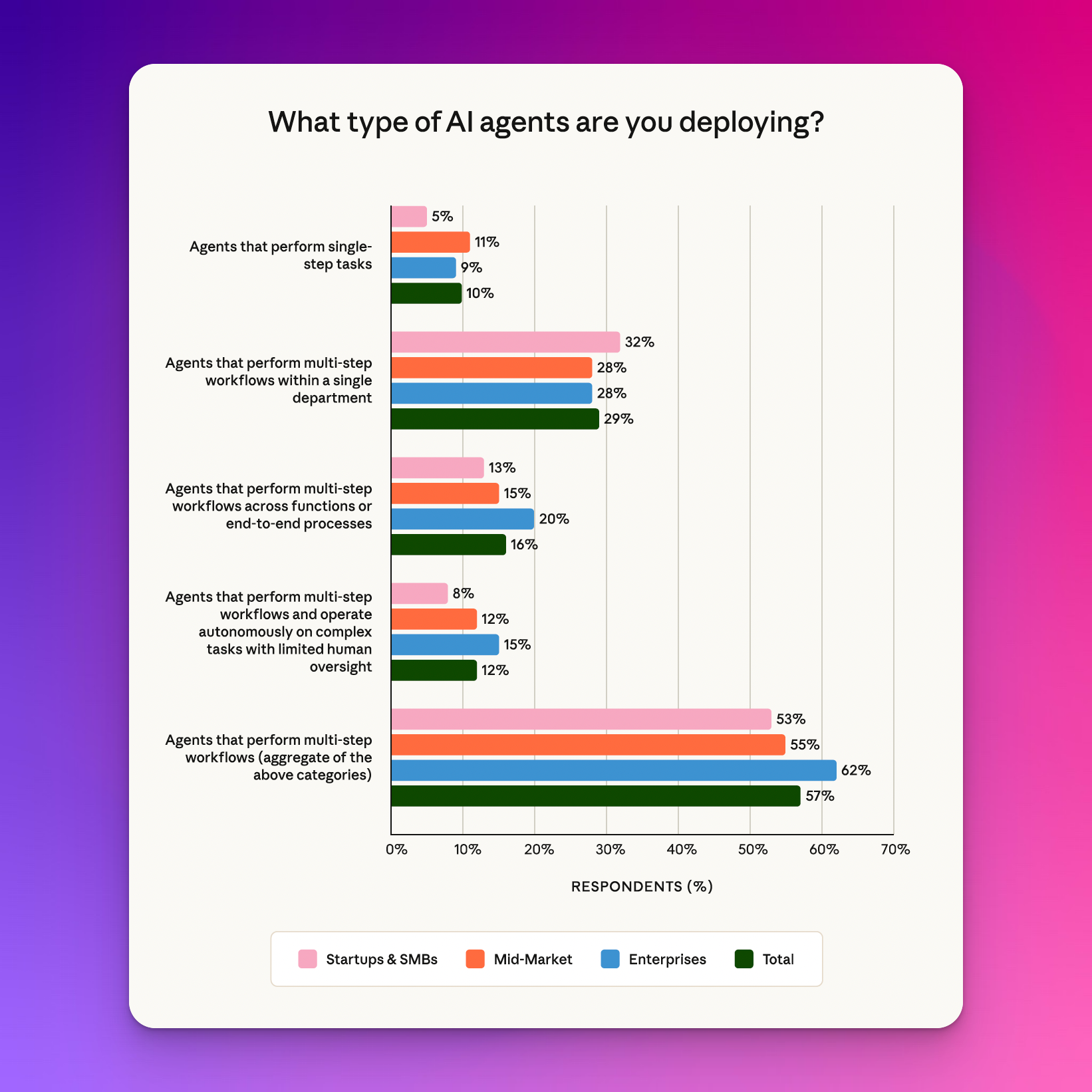
In Anthropic’s 2026 State of AI Agents report, two numbers stood out.

  • 57% of organizations already deploy agents for multi-stage workflows
  • 16% have progressed to cross-functional, end-to-end processes across teams

That’s not AI as a helper.

That’s AI becoming part of how work gets done.

In practical terms, if an outcome requires 12 steps, a team may only need to handle three or four. AI runs the rest.

But when work becomes multi-step, it also becomes fragile.

Context gets lost. Outputs vary. Tools get blocked by policy. Vendors change access. Models evolve.

This is where many AI workflows quietly fail.

The real skill shift behind AI workflows

As AI workflows become more complex, people need a new skill.

Not better prompting.

Orchestrating AI tools and models to get outcomes.

Multi-step AI workflows are not about one perfect interaction. They depend on continuity across steps, handoffs, tools, and fallbacks.

When continuity is weak, small disruptions break momentum. When continuity is strong, work keeps flowing even when the setup changes.

That difference is now decisive.

What continuity means in an AI workflow

In the 7 Drivers of AI Effectiveness, Continuity is defined as how reliably work continues when AI tools, models, or access change, slow down, or fail.

Low continuity looks familiar.

Work grinds to a halt when a preferred AI tool is unavailable. People say they cannot proceed until a specific model is back. Minor tool changes cause outsized frustration and delays.

High continuity looks very different.

People switch tools without drama. Critical AI workflows have more than one viable setup. Delivery continues even when access shifts or policies tighten.

This is the difference between “we use AI” and “we have an AI workflow.”

One is a habit. The other is a system.

Why tool choice is becoming a weaker strategy

Anthropic’s data quietly reinforces this point.

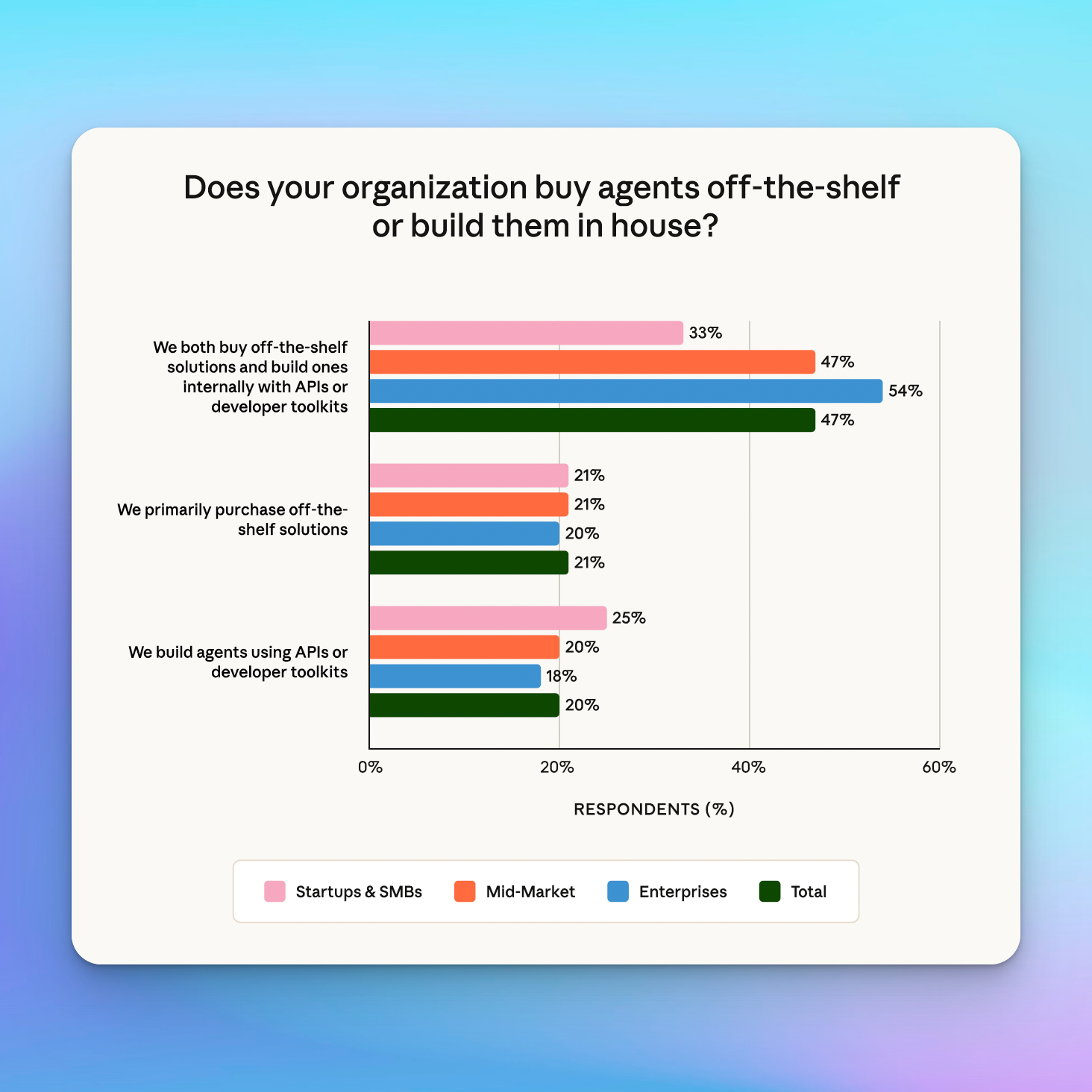
47% of organizations take a hybrid approach, combining off-the-shelf solutions with custom components instead of betting on a single setup.

They expect change.

The same logic applies at the team level.

Outcome first. Tool second.

If Tool A disappears tomorrow, can your team still produce the same deliverable using a different AI workflow?

If the answer is uncertain, the issue is rarely intelligence. It’s continuity.

ROI is no longer the question

This isn’t theoretical.

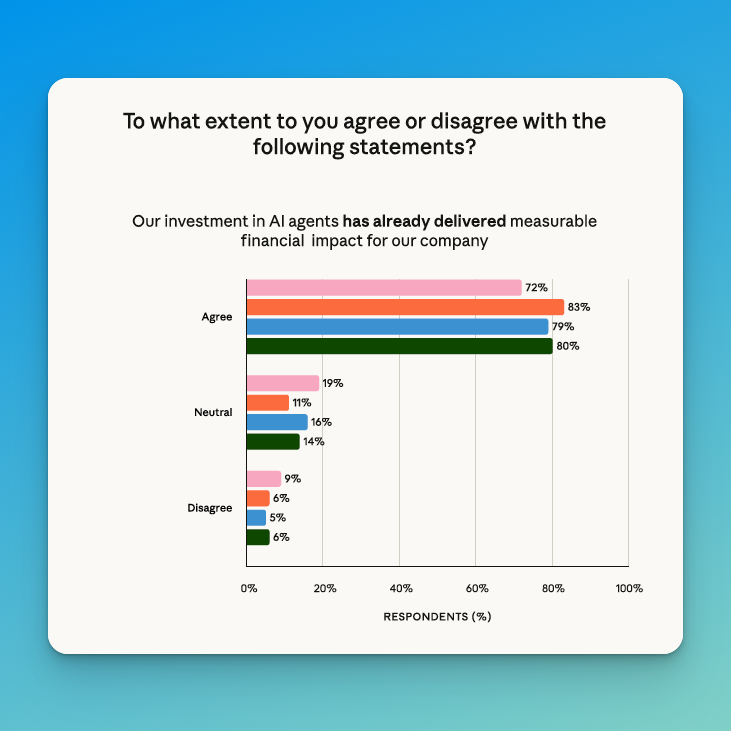
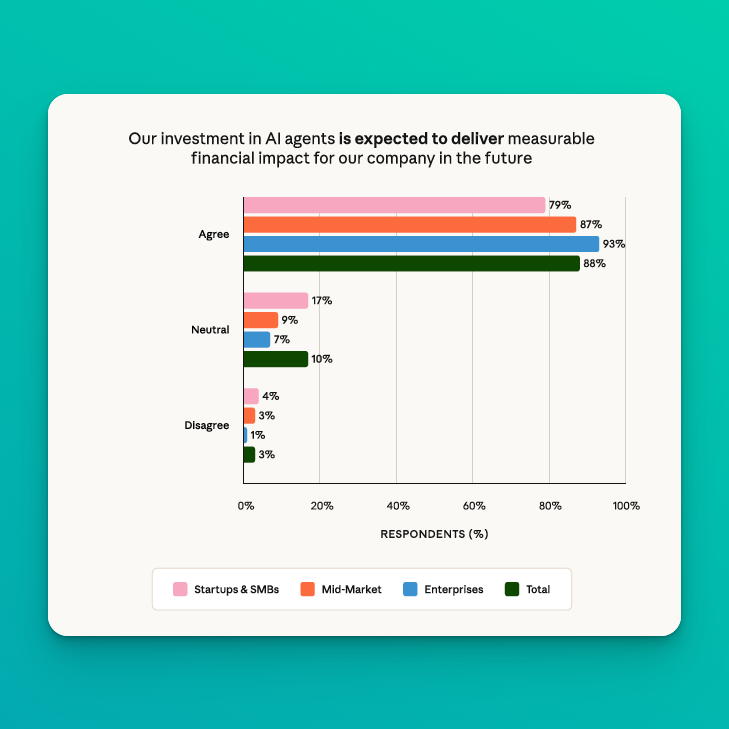
87% of leaders say AI agents are already delivering measurable economic impact today, not projected value or pilot results, but real ROI.

So the question leaders face now is not whether AI works.

It’s whether their AI workflow produces results consistently, even as tools, models, and policies change.

A fragile AI workflow delivers occasional wins.

A continuous AI workflow delivers repeatable performance.

Implications for Leaders and L&D

  • AI workflow effectiveness is now a leader-led capability issue, not just a tooling decision.

  • Continuity must be trained and practiced, because it is what stabilizes output as AI environments change.

  • L&D plays a critical role in capturing workflows, context packs, and fallback patterns so effective AI work spreads beyond individuals.

Try This This Week

  • For Leaders: Pick one recurring deliverable and map the full AI workflow, from input to output. To see how organizations already run multi-step AI workflows in production, download the Anthropic 2026 State of AI Agents report. The case studies make the shift from experimentation to durable workflows very concrete.

  • For Leaders: Create a simple “context pack” for that workflow. Capture the inputs, constraints, and quality checks AI needs at each step so context does not disappear as work moves.

  • For L&D Pressure-test continuity. Ask what happens if the preferred AI tool is blocked or unavailable. If the answer is unclear, use the Team AI Effectiveness Scorecard to surface where continuity and other drivers may be limiting the team before scaling more advanced AI workflows.

Ending thought:

Do you feel like your team has an AI workflow that will still work when situations change, or one that relies on a single tool and a single way of working?

Radiant Institute helps leaders and L&D teams turn AI usage into durable, tool-agnostic AI workflows that hold up as the environment shifts.

Maverick Foo

Maverick Foo

Lead Consultant, AI-Enabler, Sales & Marketing Strategist

Partnering with L&D & Training Professionals to Infuse AI into their People Development Initiatives 🏅Award-Winning Marketing Strategy Consultant & Trainer 🎙️2X TEDx Keynote Speaker ☕️ Cafe Hopper 🐕 Stray Lover 🐈

0 Comments

Submit a Comment

Your email address will not be published. Required fields are marked *

Share this
Send this to a friend